New Glow: Start 2026 with 10% OFF Ahdis Aloe. USE NEW10"

Aloe Vera Pickle for Skin Health: Truth or Hype?
4/27/20252 min read

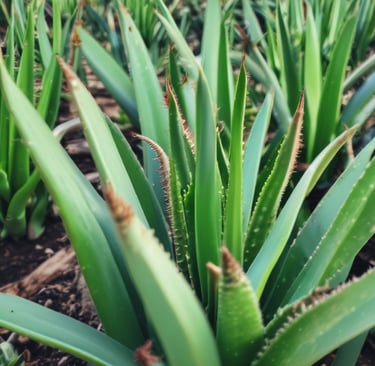
Understanding Aloe Vera
Aloe vera is widely regarded for its health benefits, particularly in skincare. This succulent plant has been used for centuries in various cultures, known for its soothing properties and impressive hydration capabilities. Rich in vitamins, minerals, and antioxidants, aloe vera is often touted as a remedy for skin ailments.
The Concept of Aloe Vera Pickle
The idea of using aloe vera pickle for skin health may seem unconventional at first. Pickling, a preservation method, usually involves brining vegetables and fruits to enhance their flavor and longevity. However, aloe vera, when pickled, claims to imbue its beneficial properties with enhanced digestive advantages and potential skin health improvements. But is this true or just hype?
Potential Benefits for Skin Health
Advocates of aloe vera pickle suggest that consuming it can lead to improved skin health. Aloe vera is known for its anti-inflammatory and hydrating properties, which can help soothe irritated skin, reduce redness, and promote healing. Furthermore, the additional probiotic benefits that come from the fermentation process used in pickling might also support gut health, indirectly impacting skin appearance.
However, it is important to note that much of the discussion surrounding aloe vera pickle remains anecdotal. While aloe vera itself is scientifically proven to have numerous skin benefits, there is limited research specifically addressing the effects of aloe vera pickle when it comes to skin health.
Additionally, certain compounds found in pickling solutions, such as vinegar or salt, may alter the natural benefits of aloe vera. The preservation process could diminish some of its active properties, leading to skepticism about the claimed positive effects.
Conclusion: Should You Try Aloe Vera Pickle?
In conclusion, while aloe vera certainly boasts an array of skin health benefits, the claims surrounding aloe vera pickle demand a cautious approach. It may offer some digestive perks and probiotic benefits, which could indirectly support skin health by promoting overall wellness. However, for those specifically seeking improvements in skin condition, traditional uses of raw aloe vera might still be the most effective option.
Ultimately, incorporating aloe vera in its raw form, perhaps as a gel or juice, might yield more consistent and reliable results than trying to rely on a pickled version. Always consult with a healthcare professional or dermatologist to determine the best practices for your skin type and needs.